TheInside Door

Home · Destinations · Amsterdam

Prime real estate · Amsterdam, Netherlands

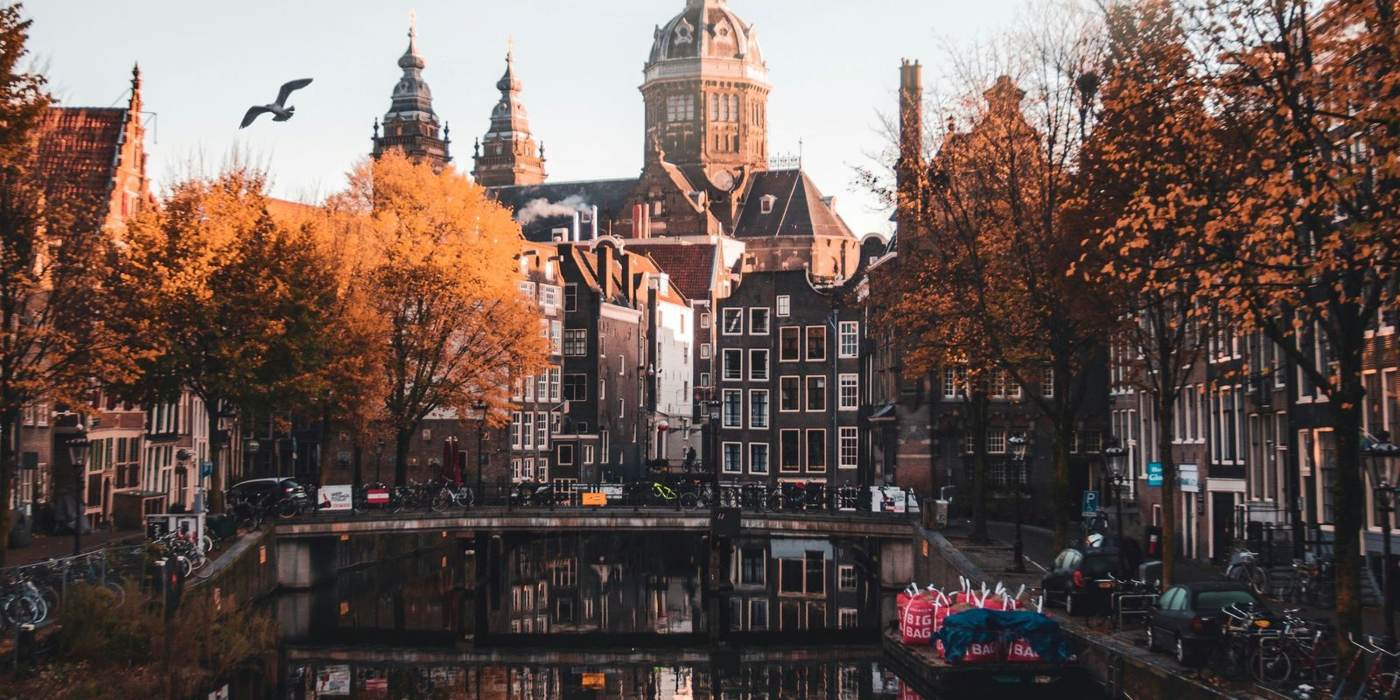
Amsterdam, my home.

17th-century canal houses, large apartments in Amsterdam-Zuid, family houses with gardens: in the city where I live, I introduce you to trusted agents, so you can buy or sell with complete peace of mind.

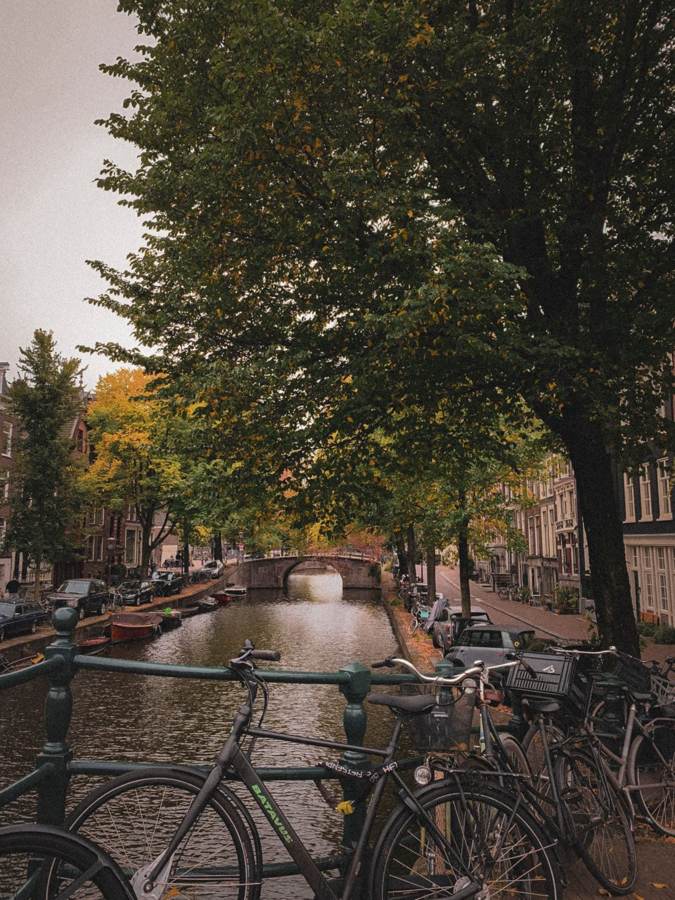
Bicycles on a bridge over an Amsterdam canal in autumn
My perspective

A city on a human scale, and yet so alive.

Amsterdam has been my city for more than three years. We moved here for the comfort of a city on a human scale, where everything is done by bike. It is here that our family has grown, and the city still delights us every day.

I love its extremely dynamic cultural life: an extraordinary opera, world-class concerts, a wealth of fascinating museums. And of course the romance of its canals, and that slightly arty spirit you feel on every street corner.

When we searched for our home here, I met a great many agents, and discovered a market with rules very different from Paris or London. A deeply international city, which has become far more attractive since Brexit, and where prices have risen sharply in recent years. Living here means I know it from the inside, and can help you find the address that suits you.

Where to live in Amsterdam

On the canals, or just beside them.

In Amsterdam, the first choice is often whether to live on the canals or not. Beyond the historic centre, each neighbourhood has its own atmosphere: here is how I see them.

Historic centre

The main canals

The Herengracht, Keizergracht and Prinsengracht form the 17th-century canal ring, a UNESCO World Heritage Site. Canal houses here are the city's most iconic addresses, rare and highly sought after.

Ideal for: canal houses, prestige, water views.

Amsterdam's Marais

The Jordaan

A former working-class district turned one of the most sought after: small canals, lanes, galleries, cafés and markets. A village spirit in the heart of the city, with charming historic houses.

Ideal for: charm, neighbourhood life, village spirit.

Elegance and families

Amsterdam-Zuid

Home to the museums, the Concertgebouw and the Vondelpark, as well as the large houses and fine apartments of the Apollobuurt. Calm, green and close to international schools, it attracts many families.

Ideal for: families, large apartments, mansion houses.

Lively and cultural

Oost

Around Artis zoo, the botanical garden and the Oosterpark: streets lined with beautiful 19th-century houses, a lively neighbourhood life and an atmosphere both cultural and relaxed.

Ideal for: neighbourhood life, character houses, culture.

Green living

Watergraafsmeer

More residential and very green, around Frankendael park: family houses with gardens, in peace and quiet, a few minutes by bike from the centre. A favourite for those looking for space.

Ideal for: houses with gardens, calm, families.

Dynamic

Amsterdam-West

Oud-West and its surroundings: a young, dynamic neighbourhood close to the Vondelpark, with beautiful period apartments, cafés, restaurants and cultural venues.

Ideal for: character apartments, energy, location.

Before you buy

What every buyer should know in Amsterdam.

The Amsterdam market is fast and in high demand, with a few local particularities. Knowing them from the start helps you act at the right moment.

I.

An asking price, not a final price

In Amsterdam, the listed price is only a guide. The most sought-after homes sell quickly, and offers often exceed the asking price. Being ready to move fast, with financing in place, makes all the difference.

II.

An agent on each side

In the Netherlands, the seller has an agent, and the buyer is well advised to have one too. Each side pays its own agent, which is why fees are lower than elsewhere. And selling agents often give priority to offers presented by a fellow agent.

III.

Erfpacht, an Amsterdam particularity

Much of the land belongs to the city: the home is then sold with a ground lease (erfpacht), sometimes perpetual, and an annual fee. Its terms strongly affect the property's value and must be checked carefully.

IV.

Foundations, an essential point

Most older houses rest on wooden piles driven into waterlogged ground, a typically Dutch expertise, studied as far as Venice by researchers from Delft University of Technology. With the city so close to sea level, piles can deteriorate and a house can subside. Before buying, commission a foundation survey (funderingsonderzoek) and find out whether the foundations have already been restored (funderingsherstel): it is a key factor in the property's value.

V.

Costs and timeline

Transfer tax is 2% for a main residence, and 8% in 2026 for a second home or an investment, plus notary and advisory fees. After signing the purchase agreement, the buyer has a three-day cooling-off period, then completion takes place at the notary.

VI.

Short-term rentals strictly limited

Amsterdam strictly limits holiday rentals: a maximum of 30 nights a year, with registration and a permit. For an investment, a standard rental is generally more suitable.

This information is indicative and may change. It does not replace advice from a notary or tax adviser.

Do you have a project in Amsterdam?

Buying or selling, canal house or family apartment: let's talk. I will call you personally within 24 business hours, and introduce you to the agent best suited to your project.